In [1]Better decisions do not come from more data alone; they come from clear rules, useful context, and timely action. This article shares practical ways data teams can help colleagues focus requests, test assumptions, and connect metrics to real outcomes. Insights from experts in the field show how to turn evidence into decisions without letting analysis become busywork.
 Q&A · Informatics Magazine · Oct 20
New data team members need more than tools and documentation to understand how decisions are made. Experts in the field share practical onboarding methods, from tracing metrics to reviewing past choices and customer actions. These practices help newcomers build useful context faster and avoid costly misunderstandings.
 Q&A · Informatics Magazine · Oct 19
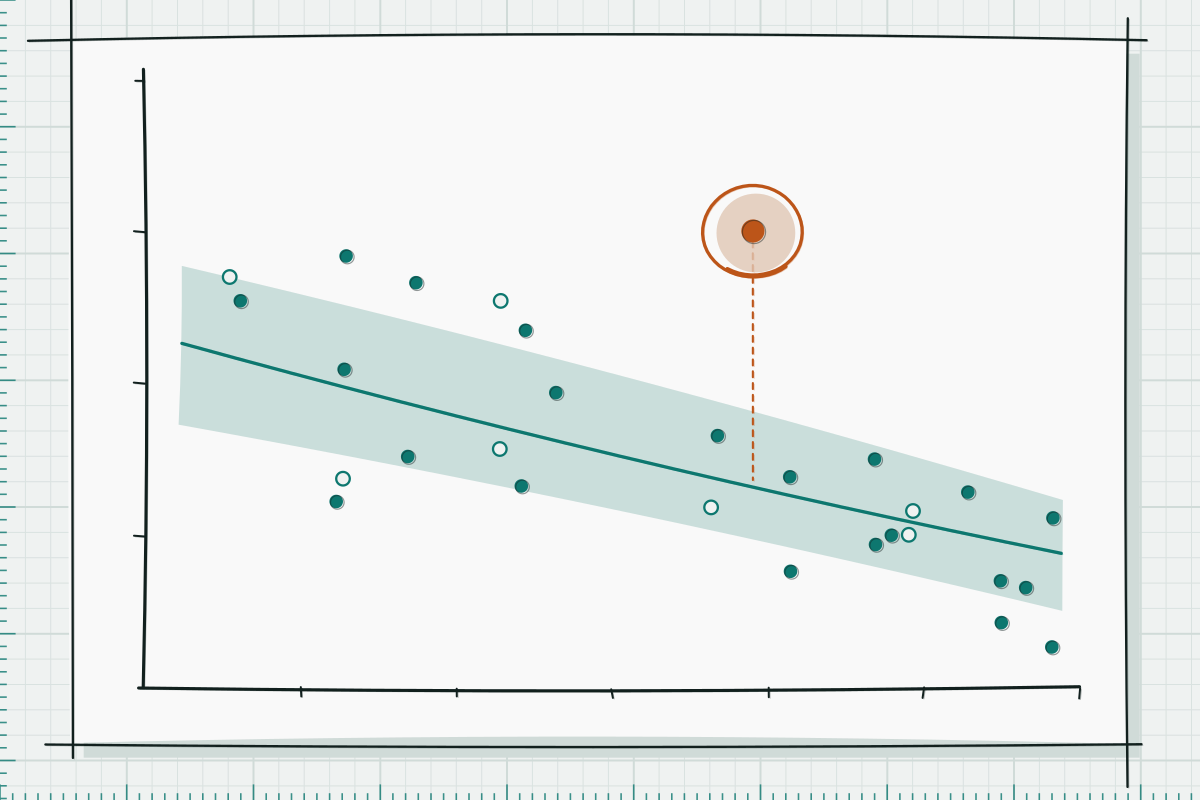
Uncertainty does not have to stall a decision. Experts in data teams share practical ways to communicate confidence, limits, and unknowns clearly. Learn how to frame findings, test recommendations, and set the right next steps.
 Q&A · Informatics Magazine · Oct 13
Conflicting analytics metrics can slow decisions, create credit disputes, and delay delivery. Experts in measurement, revenue operations, and data governance share practical ways to establish one trusted standard. These steps help teams resolve definitions, assign ownership, and keep reporting consistent without blocking progress.
 Q&A · Informatics Magazine · Oct 12
 Article · Mr Ozan Dagdeviren · Oct 9
When data goes down, trust can disappear faster than the systems being repaired. This article shares practical steps for protecting accuracy, communicating clearly, and limiting business harm during an outage. It also includes insights from experts in the field on what to freeze, verify, disclose, and restore first.
 Q&A · Informatics Magazine · Oct 6